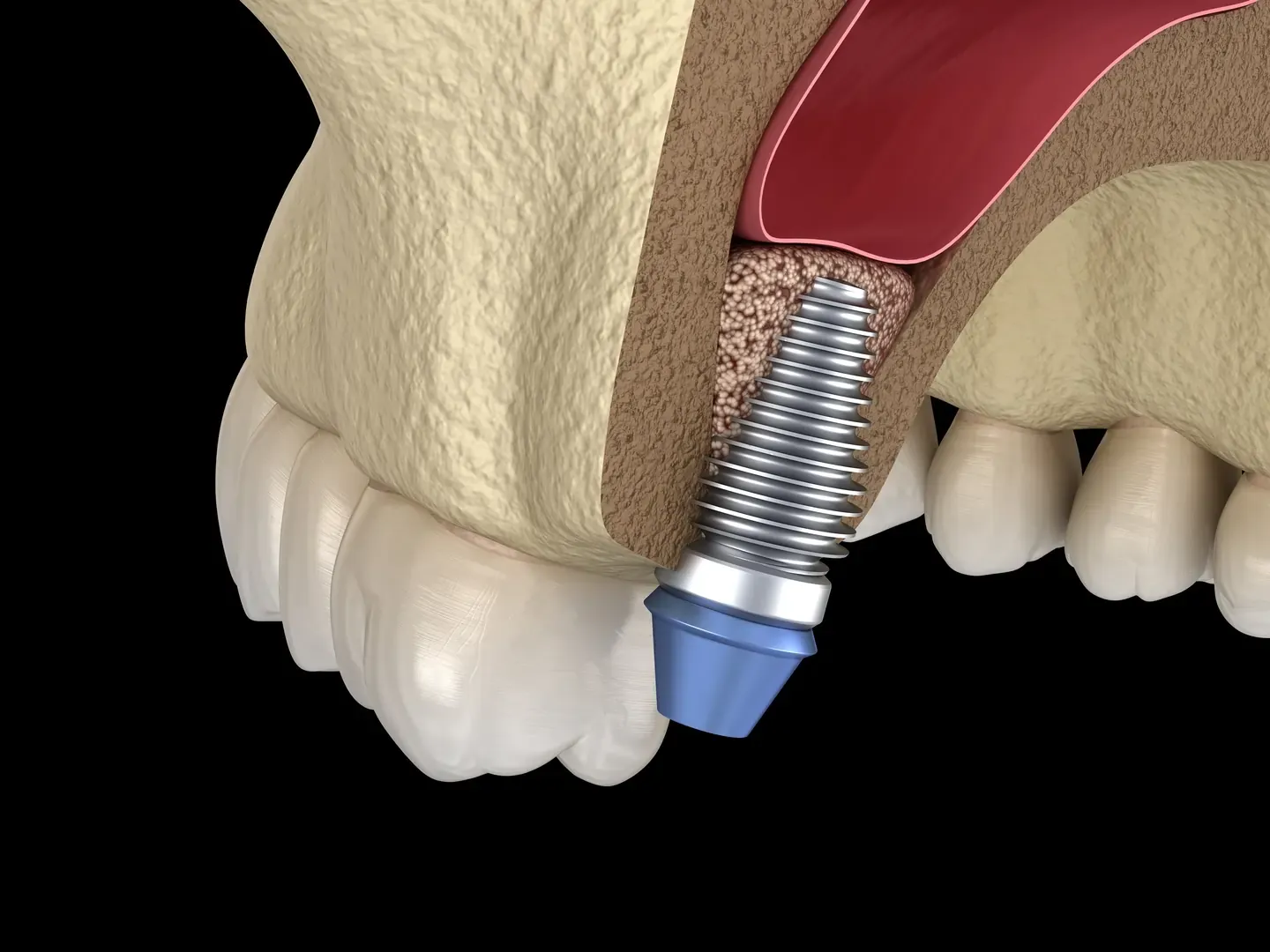
Dental implants have transformed the way missing teeth are replaced, offering a stable and long-lasting solution that looks and functions like natural teeth. However, successful implant placement depends on having adequate jawbone to support the implant.
In the upper back jaw, bone loss and the natural position of the maxillary sinus can sometimes leave insufficient bone for implant placement. In such cases, a sinus lift surgery may be recommended to create the necessary bone support before dental implants are placed.
According to Dr. Shyam Sundar, sinus lift surgery is a predictable and highly successful procedure that helps many patients become suitable candidates for upper jaw dental implants.
What Is A Sinus Lift Surgery?
A sinus lift, also known as sinus augmentation, is a surgical procedure that increases bone height in the upper jaw by lifting the sinus membrane and placing bone graft material beneath it.
The goal is to create enough bone volume to securely support dental implants in the upper posterior jaw.
Why Is A Sinus Lift Needed?
The upper back jaw often presents unique challenges for implant placement.
A sinus lift may be necessary when:
- Bone loss has occurred after tooth loss
- The sinus cavity extends close to the jawbone
- Periodontal disease has reduced bone volume
- Natural bone height is insufficient for implants
Without adequate bone support, implant stability and long-term success may be compromised.
What Causes Bone Loss In The Upper Jaw?
Several factors can contribute to bone loss.
Missing Teeth
When teeth are lost and not replaced, the surrounding bone gradually shrinks over time.
Gum Disease
Advanced periodontal disease can destroy supporting bone structures.
Natural Anatomy
Some individuals naturally have large sinus cavities and limited bone volume in the upper jaw.
Trauma Or Previous Dental Conditions
Injury or certain dental infections may also contribute to bone loss.
How Is The Need For A Sinus Lift Determined?
Before recommending treatment, a detailed assessment is performed.
This may include:
Clinical Examination
Evaluation of oral health and implant requirements.
Digital Dental Imaging
Advanced imaging helps assess:
- Bone height
- Bone quality
- Sinus anatomy
- Implant positioning
- CBCT Scan
Cone Beam Computed Tomography provides highly detailed three-dimensional images that assist in treatment planning.
How Is Sinus Lift Surgery Performed?
The procedure is usually performed under local anesthesia, often with sedation if required.
The general steps include:
- Creating access to the upper jawbone.
- Gently lifting the sinus membrane.
- Placing bone graft material beneath the membrane.
- Closing the surgical site for healing.
The newly placed graft material gradually integrates with the patient's natural bone.
Types Of Bone Graft Materials
Various grafting materials may be used depending on the clinical situation.
Options may include:
- Synthetic bone substitutes
- Donor bone materials
- Processed bone graft materials
- Combination grafts
The most appropriate option is selected based on individual needs.
Can Implants Be Placed At The Same Time?
In some cases, yes.
Simultaneous implant placement may be possible when sufficient existing bone is available for initial implant stability.
In other situations, the bone graft is allowed to heal first before implants are placed at a later stage.
Dr. Shyam Sundar develops a personalized treatment plan based on bone volume and implant requirements.
What To Expect During Recovery
Most patients recover comfortably following sinus lift surgery.
Common temporary symptoms may include:
- Mild swelling
- Minor discomfort
- Nasal congestion
- Slight bruising
- Temporary tenderness
These symptoms generally improve within a few days.
Recovery Instructions
To support healing, patients are often advised to:
- Avoid forceful nose blowing
- Sneeze with the mouth open
- Follow medication instructions carefully
- Avoid smoking
- Maintain good oral hygiene
- Attend follow-up appointments
Following postoperative instructions helps reduce complications and promote successful healing.
How Long Does Healing Take?
Bone graft integration typically requires several months.
The exact healing period varies depending on:
- Amount of grafting performed
- Individual healing response
- Bone quality
- Overall health
Your dentist will monitor progress before proceeding with implant placement if necessary.
Success Rates Of Sinus Lift Surgery
Sinus lift surgery has a high success rate when performed with proper planning and technique.
Factors that contribute to successful outcomes include:
- Good oral hygiene
- Adequate healing time
- Smoking cessation
- Careful surgical planning
- Regular follow-up care
Most patients go on to receive successful dental implants after healing is complete.
Are There Risks?
As with any surgical procedure, complications are possible but uncommon.
Potential risks may include:
- Sinus membrane perforation
- Infection
- Graft failure
- Delayed healing
Careful evaluation and experienced surgical care help minimize these risks.
Who Is A Good Candidate For Sinus Lift Surgery?
You may be a candidate if you:
- Have missing upper back teeth
- Lack sufficient bone for implants
- Desire a fixed tooth replacement solution
- Have good overall oral health
A comprehensive evaluation helps determine eligibility.
Conclusion
Sinus lift surgery is an important procedure that can make dental implants possible for patients with insufficient upper jaw bone. By creating additional bone support beneath the sinus cavity, this treatment provides a stable foundation for long-term implant success.
Dr. Shyam Sundar emphasizes that advanced imaging, precise surgical planning, and individualized treatment approaches allow many patients to successfully restore missing teeth with dental implants, even when bone loss has occurred. For those considering upper jaw implants, a sinus lift may be the key step toward achieving a strong, confident smile.
FAQs
Q: What Is A Sinus Lift Surgery?
A: A sinus lift is a procedure that increases bone height in the upper jaw to support future dental implants.
Q: Why Might I Need A Sinus Lift Before Dental Implants?
A: You may need one if there is insufficient bone in the upper jaw due to bone loss or sinus anatomy.
Q: Is Sinus Lift Surgery Painful?
A: The procedure is performed under anesthesia, and most patients experience only mild discomfort during recovery.
Q: How Long Does Healing Take After A Sinus Lift?
A: Healing and bone integration generally take several months before implant placement, depending on the case.
Q: Can Dental Implants Be Placed At The Same Time As A Sinus Lift?
A: In selected cases, implants can be placed simultaneously if adequate initial bone support is present.
Considering dental implants but have been told you lack sufficient upper jaw bone? Consult Dr. Shyam Sundar for advanced implant assessment, sinus lift surgery, and personalized treatment planning to help restore your smile with confidence.

From Scan to Smile — The Innovative Implantium Workflow
Watch your full implant journey unfold, starting with the first scan and ending with your new confident smile.
Proudly serving our community,
Dr. Shyam Sundar combines compassionate care, advanced technology, and trusted expertise for every smile.
Call Us: +91 9886580804 or +91 8073952005


©2026 | Dr. Shyam Sundar | All rights reserved | Digital Marketing by Remedo